|
MCC Materials, Inc.'s laboratory collaborates with architects, engineers and specialty contractors to develop the materials-and-methods recommendations for conservation of historic stone monuments.
MCC Materials, Inc. is an outgrowth of Monument Conservation Collaborative, a consulting and contracting firm with more than twenty years of experience in all aspects of historic cemetery conservation. This direct, hands-on work with funerary sculpture and monuments - most of them of sandstone, limestone and marble - has served as a constant stimulus for MCCM's research efforts. This, in turn, resulted in the creation of a unique laboratory facility for product development and comparative evaluation.
MCCM has been closely involved in the development of numerous conservation-oriented products including:
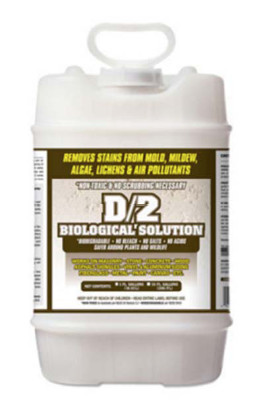 D/2 Biological Solution
D/2 is a biodegradable, easy-to-use liquid that removes deposits and discoloration associated with algae, mold, and lichens. D/2 Biological Solution
D/2 is a biodegradable, easy-to-use liquid that removes deposits and discoloration associated with algae, mold, and lichens.
It is effective on marble, granite, limestone, brownstone, travertine, brick, terracotta, concrete, stucco, wood, and other architectural surfaces.
D/2 has been used for nearly twenty years on literally thousands of monuments, outdoor sculptures and cemetery headstones.
http://d2bio.com/about
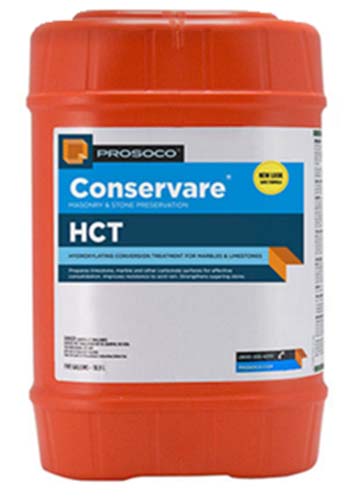 HCT hydroxylating conversion treatment (US Patent No. 6,296,905) HCT hydroxylating conversion treatment (US Patent No. 6,296,905)
HCT is a unique, two-step, waterborne treatment that protects and strengthens deteriorating carbonate building stones such as marble, limestone, and travertine.
It reduces the vulnerability of treated stone to the ravages of air pollution (acid rain) and to normal weathering. Treatment with HCT further permits strengthening of weakened carbonate stone with ethyl silicate consolidants. It has also been used for the long-term protection of older, carbonated concrete and cast stone, in combination with catalyzed alkylsilanes.
http://www.buildsite.com/pdf/prosoco/Conservare-HCT-Summary-Brochure-275709.pdf
http://www.prosoco.com/Content/Documents/Product/CV_HCT_PDS_081215_C.pdf
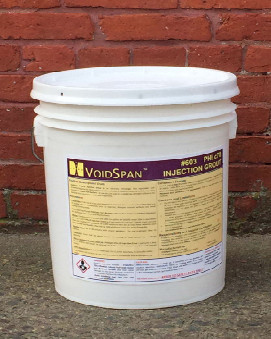 VoidSpan pozzolanic hydraulic lime materials VoidSpan pozzolanic hydraulic lime materials
Our VoidSpan formulations are based on lime, pozzolan and --in our PHLc products--a very small amount of cement.
By combining the forgiving properties of lime with the airless cure of a hydraulic additive, we have created more breathable, "softer" materials that are compatible with historic masonry structures, while meeting the logistical demands of today.
The VoidSpan product line includes ultra-low shrinkage flowable grouts, a fine crack filler, mortar binders, and a sanded pointing mortar for particularly narrow joints.
http://www.voidspan.com/grout
Principals
Irving Slavid
Irving studied structural engineering and architecture at Northeastern University and the Boston Architectural Center. For 30 years, he was a conservator of ceramics, and glass, serving private collectors, dealers and museums. Working full time in historic cemeteries since 1995, he is recognized as an authoritative specialist in the restoration of New England's historic brownstone, marble, and slate grave markers. Irving is a Professional Associate of AIC.
Irving helped design the first cemetery training workshop for the National Center for Preservation Technology and Training (National Park Service) in 2002, and has continued to be an instructor for this NCPTT seminar. He has personally conserved over 1000 New England gravemarkers and now divides his time between Monument Conservation Collaborative and MCC Materials, Inc., where he directs laboratory operations.
Norman R. Weiss
Norman is an Associate Professor at Columbia University's Graduate School of Architecture, Planning and Preservation, where he has taught since 1977. Trained as an analytical chemist, he is an internationally-known specialist in the analysis and preservation of traditional construction materials. His most current research is on innovative lime-based mortars and paints, and the consolidation of limestone and marble.
He is a Life Member and Fellow of the Association for Preservation Technology, and a Fellow of the American Institute for Conservation. He is a consultant editor of the UK -based Journal of Architectural Conservation, and a member of the National Park Service's Preservation Technology Board. He is also a Fellow of the Society of Antiquaries of London.
Eclipse Mill
243 Union St
Unit 409
North Adams, MA 01247
0: 413.346.4400
C: 860.309.9491
|